


The Digital Marketplace: How Shopping Websites Are Redefining Retail
페이지 정보
작성자 Valeria
작성일26-05-08 14:23
제 목The Digital Marketplace: How Shopping Websites Are Redefining Retail
휴대폰
상 태 답변대기
본문
In the span of a few decades, the act of shopping has undergone a revolution more profound than any since the advent of the department store. The catalyst? The shopping website. From humble beginnings as digital catalogues, these platforms have evolved into vast, algorithm-driven marketplaces that dominate global commerce, reshaping consumer habits, supply chains, and the very fabric of Main Street.
The convenience factor is the most obvious and powerful driver of this shift. The promise of "anytime, anywhere" shopping has been fully realized. A consumer in a rural town can now access the same selection as one in a metropolitan capital. Need a specific brand of organic coconut oil, a rare book, or a replacement part for walmart grocery grocery pickup a vintage appliance at 2 AM? The digital marketplace is always open. This 24/7 accessibility, coupled with doorstep delivery, has made traditional retail hours and travel times seem like relics of a bygone era.
Beyond mere convenience, walmart in home delivery shopping websites have mastered the art of personalization and discovery. Powered by sophisticated algorithms that analyze browsing history, google store discount code purchase patterns, and even mouse movements, platforms like Amazon, eBay, and walmart shop at home pickup ASOS curate a unique experience for every user. "Customers who bought this also bought…" is more than a suggestion; it’s a powerful sales engine that often leads shoppers down a rabbit hole of discovery, increasing basket sizes and introducing brands consumers might never have found otherwise. This data-driven approach creates a sense of a bespoke shopping journey, a stark contrast to the one-size-fits-all approach of many physical stores.
The marketplace model, for love and lemons discount code perfected by giants like Amazon and Alibaba, has also democratized retail on an unprecedented scale. It allows small and medium-sized enterprises (SMEs) and even individual artisans to reach a global audience without the prohibitive cost of establishing a physical international presence. An artist in Indonesia can sell prints to a collector in Canada, and a small-batch hot sauce maker in Texas can develop a cult following across the United States, all facilitated by the infrastructure and logistics networks of these mega-platforms. This has fueled a boom in entrepreneurship and niche products.
However, this digital retail utopia is not without its significant shadows. The dominance of a few key players raises serious concerns about market monopoly, data privacy, and the treatment of warehouse workers. The relentless pressure for fast, coupons with walmart pickup free shipping has created demanding logistics chains with documented human costs. Furthermore, the ease of online returns has led to a massive sustainability problem, with millions of tons of perfectly good items ending up in landfills because it is cheaper for retailers to discard them than to restock.
The environmental impact extends beyond returns. The carbon footprint of millions of individual deliveries, google stock often involving multiple vehicles for failed attempts, lost boys broadway review and the packaging waste generated—mountains of cardboard, plastic air pillows, and tape—present a colossal challenge. While some companies are investing in electric delivery fleets and sustainable packaging, the scale of the issue continues to grow alongside e-commerce itself.
For traditional brick-and-mortar retailers, the rise of shopping websites has been an existential threat, leading to the so-called "retail apocalypse" for those who failed to adapt. The response has been the rise of "omnichannel" retail—a seamless integration of online and offline experiences. Buy online, pick up in store (BOPIS), QR codes in physical locations for more information, and apps that offer in-store navigation and digital discounts are now standard. The physical store is being reimagined not just as a point of sale, but as a showroom, a fulfillment center, and an experiential destination that the pure-play website cannot replicate.
Looking ahead, the evolution of shopping websites shows no signs of slowing. Emerging technologies are poised to further transform the experience. Augmented Reality (AR) is allowing customers to "try on" clothes, adrian houser visualize furniture in their homes, or see how a shade of paint looks on their wall before buying. Artificial Intelligence is moving beyond recommendation engines to power conversational commerce through chatbots and macys com promo voice shopping via smart speakers. The integration of social commerce, 엘에이 fc 대 톨루카 where users can purchase products directly from a social media post or deontae lawson a live stream, is blurring the lines between content, community, and consumption.
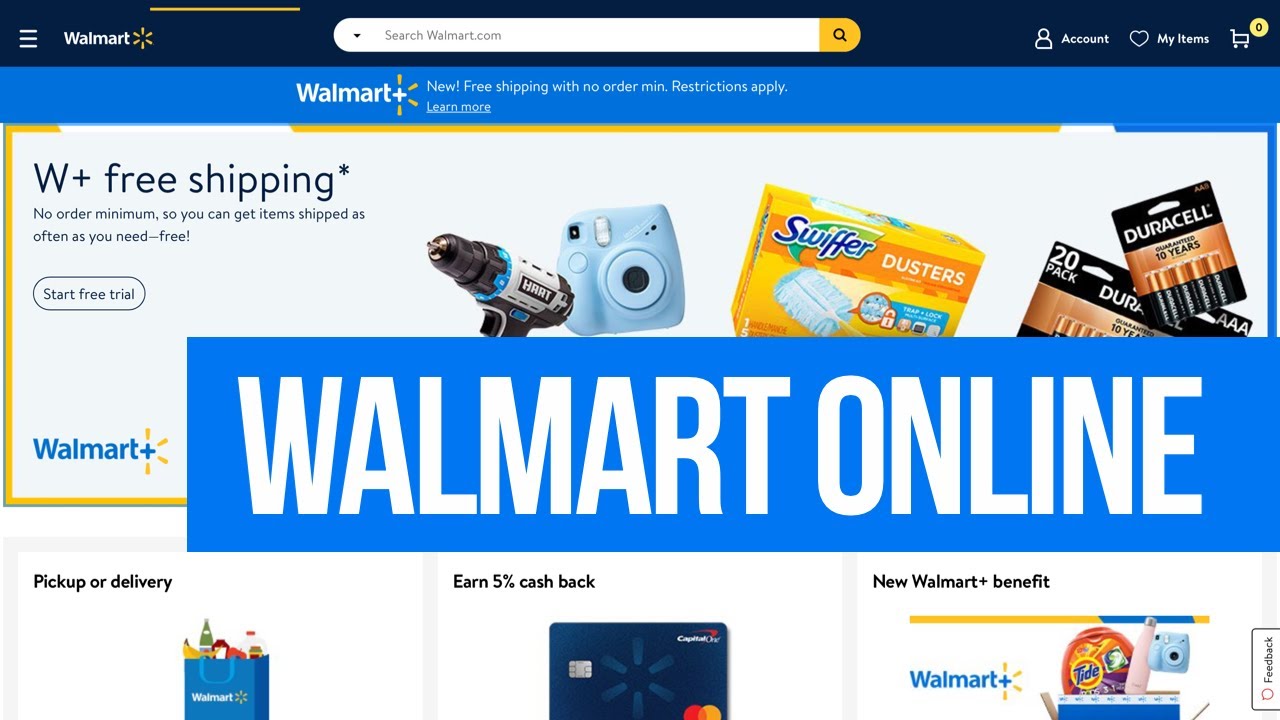
In conclusion, macys com discount coupon shopping websites have moved far beyond being a simple alternative to the mall. They have become a complex ecosystem that influences global economics, labor markets, and environmental policy. They offer unparalleled choice and convenience while presenting profound challenges around market fairness, labor rights, and planetary health. The future of retail is not a choice between clicking and walking; it is a hybrid, data-infused, and increasingly immersive landscape where the most successful players will be those who can ethically bridge the digital and physical worlds, meeting the consumer's demand for instant gratification without sacrificing the human touch or the health of the planet. The shopping cart icon on our screens is now a portal to a world of endless possibility and significant responsibility.
jellycat discount

댓글목록
등록된 댓글이 없습니다.
